
Creating a Just and Equitable Classroom: A Critical Review of Educational Philosophies by Hooks, Freire, and Gannon

Education is one of the most powerful tools we can use to create a better world. It is the foundation of every society, and the ideas that shape educational philosophies are the ones that shape our future. Three of these influential thinkers are Bell Hooks, Paulo Freire, and Kevin M. Gannon. They offer a critical and transformative approach to education, addressing the social injustices and inequalities plaguing our educational systems. As an educator trying to build an equitable learning for all students, you might want to engage with the educational philosophies of Hooks, Freire and Gannon and incorporate them into your teaching practices. This article will examine their work and suggest how their ideas can be implemented in K-10 classrooms in India.
Bell Hooks - Teaching to Transgress:
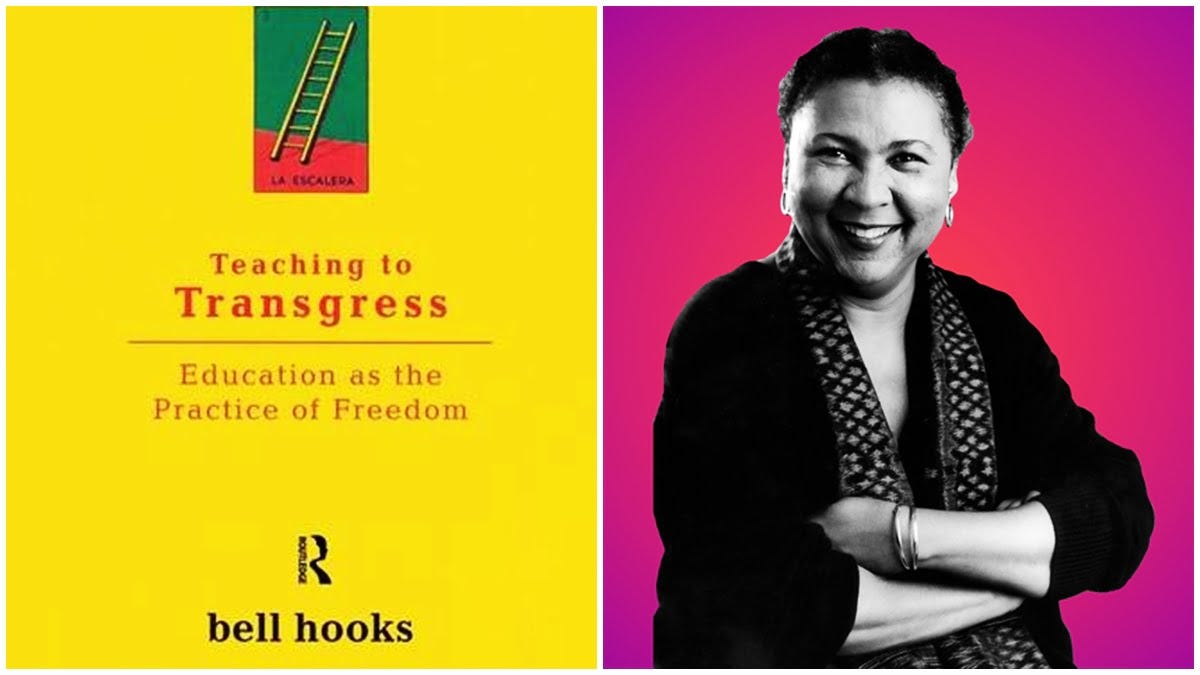
Bell Hooks is a feminist, cultural critic, and author who believes that education should be about promoting social change. In her book, "Teaching to Transgress," Hooks emphasizes the importance of creating a safe and inclusive learning environment. She believes that teachers must acknowledge and respect the diversity of their students' backgrounds and experiences and work to create a classroom where all voices are heard.
Practical implementation of Hooks' ideas:
Teachers should encourage open dialogue and debate in their classrooms to implement Hooks' ideas. Teachers should respect the opinions and experiences of all students, regardless of their backgrounds. Students should be encouraged to think critically and challenge the status quo. Teachers should also create opportunities for students to learn about and appreciate diversity by including diverse perspectives in their curriculum or inviting guest speakers from different cultural backgrounds. Teachers can also create an inclusive environment by using gender-neutral language, avoiding stereotypes, and addressing any discriminatory behavior in the classroom.
If you are a a high school English teacher who is aware that their students come from diverse backgrounds and want to create a safe and inclusive learning environment, you can start the first day of class by asking your students to introduce themselves and share a little about their cultural background. You can also create opportunities for students to share their opinions and experiences in class discussions and group activities. To celebrate diversity, try to incorporate works by writers of different caste, ethnicities, genders, and sexual orientations in your reading/ sharing circles. For example, you can include the works of Bell Hooks, Maya Angelou, and Toni Morrison to discuss race and gender inequality.
Paulo Freire - Pedagogy of the Oppressed:
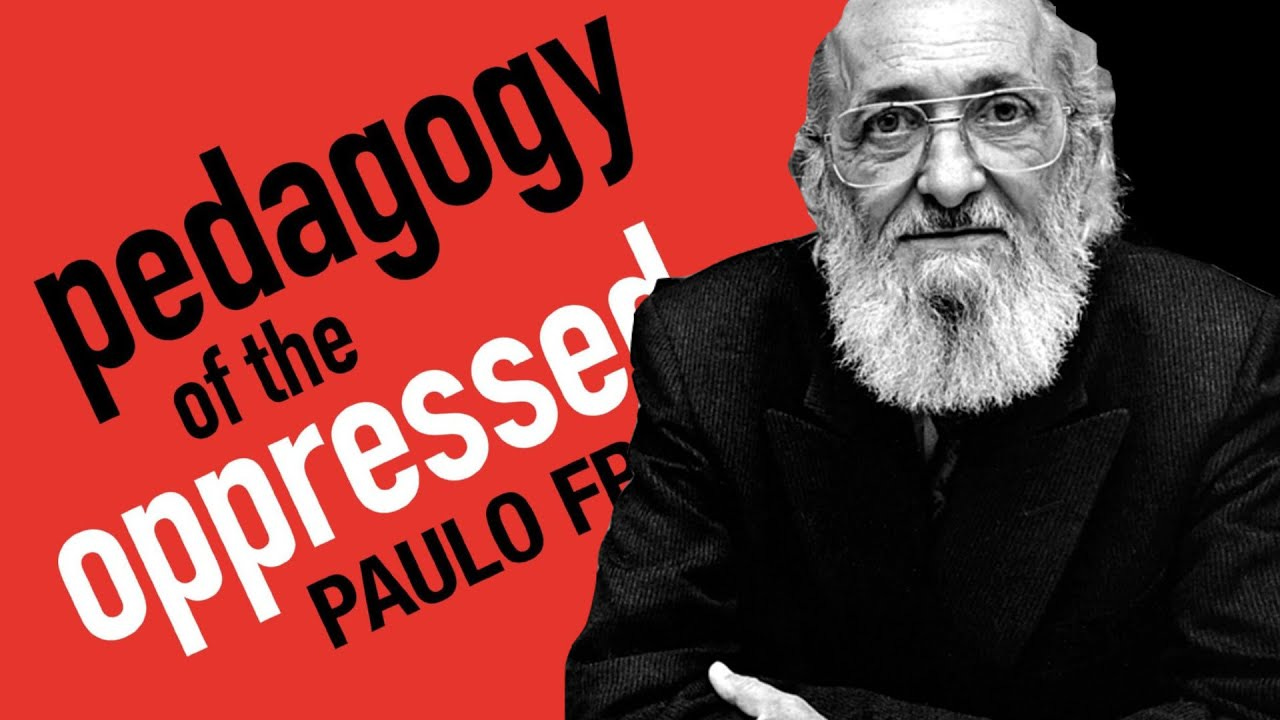
Paulo Freire was a Brazilian educator who believed that education was a tool for social change. In his book, "Pedagogy of the Oppressed," Freire argued that education should not be a one-way transmission of knowledge but a collaborative process between the teacher and the student.
Practical implementation of Freire's ideas:
Teachers should encourage a collaborative and participatory learning environment to implement Freire's ideas. Students should be encouraged to share their experiences and engage in dialogue and debate. Teachers should also be aware of the power dynamics in the classroom and work to create a more equal and democratic learning environment. Students should be encouraged to think critically about the world around them, question power structures, and work towards social change. Teachers can also create an equitable classroom environment by giving equal opportunities to all students to participate in classroom activities and not favoring any particular student based on social status or academic achievement.
For example, as a science teacher, if you want to implement Freire's ideas of collaborative and participatory learning, think about designing a class activity where your students can work in groups to conduct experiments and share their results with the class. You can also encourage students to ask questions, challenge each other's assumptions and draw conclusions as a team. This way, students learn to work together, communicate their ideas, and understand how scientific problems are approached.
Kevin M. Gannon - Radical Hope:
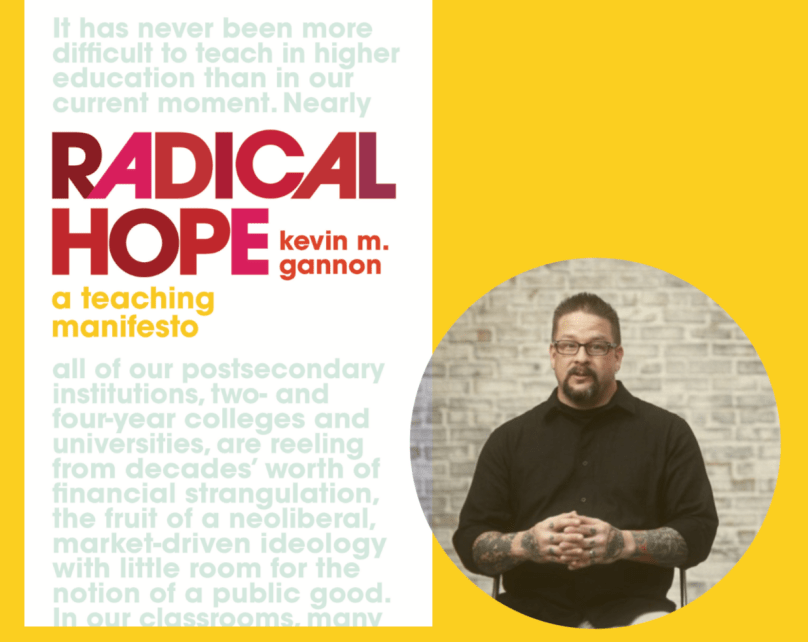
Kevin M. Gannon is a historian and professor who believes that education is about creating hope for the future. In his book, "Radical Hope," Gannon argues that education should provide students with a sense of purpose and agency in the world. His key idea is that education should be transformative, not just informative. He also believes that education should inspire students to think beyond themselves and work towards a better future.
Practical implementation of Gannon's ideas:
To implement Gannon's ideas, teachers should create opportunities for students to connect their learning to the world around them. Students should be encouraged to think about the impact of their actions on the world and work towards positive change. Teachers should also provide students opportunities to engage in community service and other activities promoting social change. This can include projects that address social issues like poverty, inequality, or environmental degradation. Teachers can also encourage students to pursue their passions and interests by allowing them to explore their talents and skills.
For example, if you teach social studies/ history/ civics/ economics/ psychology/ philosophy to your students and want to inspire his students to think beyond themselves and work towards a better future, in line with Gannon's ideas of radical hope, it will be a great idea to assign projects where students research and create presentations about social issues affecting their community, such as depression, discrimination, poverty, homelessness or pollution. Students then can present their ideas to the class and discuss possible solutions. You also invite community leaders to speak to the class about their work in addressing these issues. This will inspire your students to consider how they can make a difference and encourage them to become problem solvers and active participants in their community.

Comparing the discourse:
While Hooks, Freire, and Gannon share a common goal of creating a more equitable and just society through education, their philosophies differ significantly. In her book "Teaching to Transgress," Bell Hooks emphasizes the need to break down oppressive power structures in the classroom. She argues that by encouraging students to critically analyze their own experiences, we can empower them to challenge the status quo and work towards social change.
Similarly, Paulo Freire, in his book "Pedagogy of the Oppressed," advocates for a critical pedagogy that prioritizes the perspectives and experiences of marginalized groups. He argues that education must move beyond the traditional banking model, where students are treated as passive receptors of knowledge and instead become a space for dialogue and collective action.
On the other hand, Kevin M. Gannon, in his book "Radical Hope," takes a more hopeful and forward-looking approach. Gannon emphasizes the importance of empathy and imagination in the classroom, encouraging educators to help students envision a better world and work towards making it a reality.
One of the significant differences between these three educational philosophies is their approach to power structures in the classroom. While Hooks and Freire argue that oppressive power structures must be dismantled, Gannon sees power as a more neutral force that can be harnessed for good. Additionally, while Hooks and Freire focus on deconstructing oppressive systems, Gannon is more forward-looking, emphasizing the need to create a vision for a better future and work towards achieving it.
Another key difference is their approach to student-teacher relationships. Hooks and Freire argue that education should be a collaborative, dialogic process in which teachers and students collaborate to create knowledge. In contrast, Gannon emphasizes the role of the teacher as a guide, helping students to develop the skills and knowledge they need to create change.
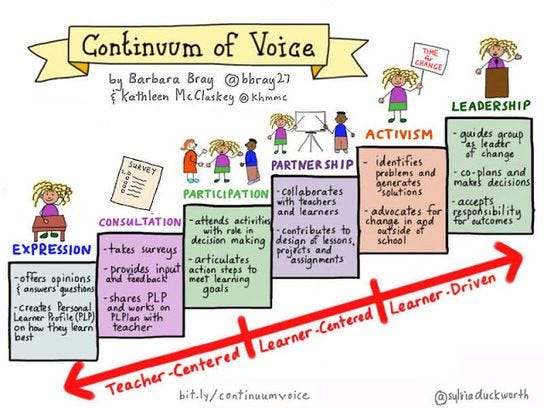
In conclusion, the educational philosophies of Bell Hooks, Paulo Freire, and Kevin M. Gannon provide a framework for creating a more inclusive and transformative learning environment. By emphasizing the importance of respect for diversity, empowerment, and hope, these philosophies offer a powerful alternative to traditional approaches to education.
To incorporate these philosophies into your teaching, you can start by reflecting on your own assumptions and biases and working to create a more inclusive and safe learning environment. You can encourage dialogue, collaboration, and critical thinking in the classroom and provide opportunities for your students to connect their learning to the real world. By doing so, you can inspire them to question the status quo, challenge oppressive systems, and work towards positive social change.
Furthermore, you can use scenarios and case studies to better understand how to incorporate these philosophies in your classrooms. Try to connect with other educators who are using similar approaches and share ideas and resources with them. As educators you can create a more supportive and empowering learning environment that benefits all students by working together.
The next steps for teachers are to continue to reflect on their teaching practices, explore new approaches to education, and remain open to student feedback and critique. By doing so, they can create a learning environment that is both transformative and empowering for their students.
References:
Freire, P. (2000). Pedagogy of the oppressed. Bloomsbury publishing USA.
Gannon, K. M. (2020). Radical hope: A teaching manifesto. West Virginia University Press.
Hooks, B. (2014). Teaching to transgress: Education as the practice of freedom. Routledge.
McLaren, P. (2007). Life in schools: An introduction to critical pedagogy in the foundations of education. Pearson.
Amazing work done.